[Guest post by Christine Solan, Teaching and Training Specialist, Biology, Johns Hopkins University]
Over the past year, many instructors and teaching assistants (TAs) have been asking what office hours mean now that students can get instant answers from AI. The more this question is explored, the clearer it becomes: even with continuous advancements in AI, the human elements of teaching are more important than ever.
AI can generate responses, but humans build thinkers. Humans can help students feel seen, capable, and connected to a discipline. That distinction is especially visible – and fragile – during office hours.
The Problem Behind the Problem
Office hours have long been underused. Hsu et al. (2022) showed that students often view office hours as narrowly useful and face real psychological barriers such as fear of looking incompetent, uncertainty about expectations, and the belief that asking for help signals weakness. In newer work (Hsu et al., 2025), first‑year STEM students describe office hours as intimidating or unclear, even when they know the sessions could help.
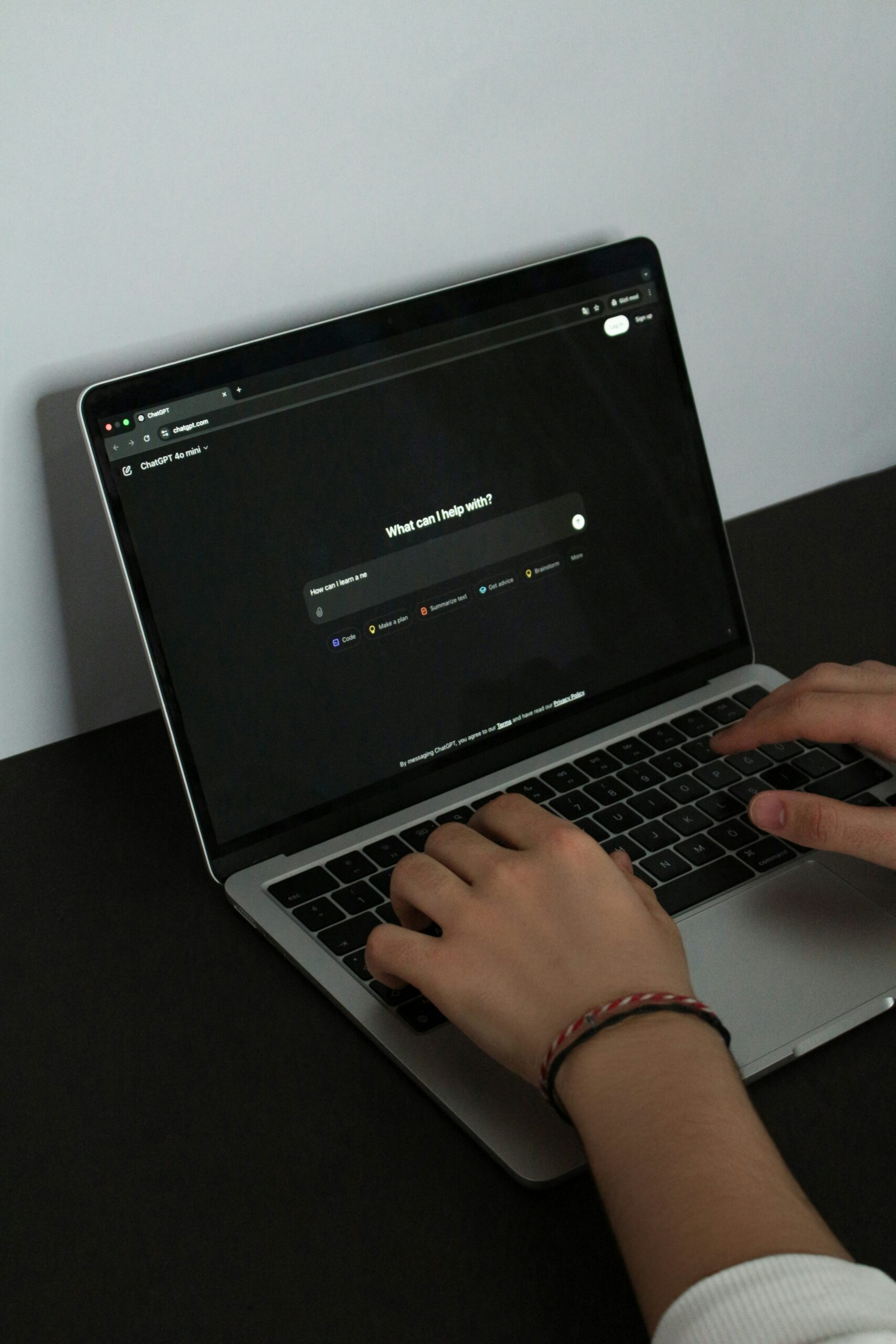
At the same time, students increasingly turn to generative AI as their first stop for academic support. Chatzopoulos et al. (2026) found that AI tools have become part of students’ everyday learning practice for things like clarifying concepts, preparing for exams, and smoothing out the friction of studying.
Put these findings together and the situation becomes clear: students aren’t avoiding office hours because they don’t need help, but because AI feels easier, safer, and more predictable. If office hours remain an unstructured drop‑in Q&A desk, AI will win every time.
The Human Advantage: What AI Can’t Replace
Instructors and TAs still offer support that AI cannot fully replicate:
- Personalized guidance
- Mentorship
- Connection
These aren’t “extras.” They are central to how students learn to reason, ask better questions, and develop a sense of belonging in a learning community. AI can support learning, but it cannot replace the experience of being known, coached, and intellectually challenged by another human being.
This is why the human element of office hours matters more now, not less.
Moving Beyond the Help‑Desk Model
One way to keep office hours relevant is to think of them as structured, student‑centered learning experiences rather than troubleshooting sessions. The Stanford Teaching Commons (2023) reminds us that effective office hours require intentional facilitation, including clear expectations, active engagement, and inclusive practices. When instructors and TAs adopt these strategies, office hours can become spaces where students practice thinking rather than simply receiving answers, fostering the kind of learning and human connection that AI cannot reproduce.
Here are three shifts worth exploring:
-
Reframe and Rebrand Office Hours
Students often don’t know what office hours are for; renaming them can help communicate purpose and value.
Examples include:
- “Weekly Recap”
- “Course Check‑Ins”
- “Guided Study Session”
- “Supplemental Course Assistance”
- “TA Feedback Session”
- “Collaborative Study Session”
A clear title communicates purpose. A clear purpose demonstrates value.
-
Make the Value Explicit
Students need to hear – directly – why office hours matter.
Short, memorable value statements may help:
- “AI generates responses. Office hours develop thinkers.”
- “Students who connect, succeed.”
- “When AI isn’t enough, conversation makes the difference.”
- “Learn the why, not just the what.”
- “Get ahead with tailored guidance.”
- “Build deeper understanding for exams.”
These statements help students understand that office hours aren’t redundant with AI – they’re qualitatively different.
-
Design for Interaction
If office hours are passive, students may be more likely to default to using AI. Making them interactive gives students a reason to return.
Effective strategies include:
- Using peer‑to‑peer problem solving
- Incorporating mini‑activities

- Meeting in new or more inviting spaces
- Integrating technology intentionally (e.g., games, collaborative tools)
- Facilitating collaborative learning

These small design choices transform office hours from transactional to relational.
Why This Matters for Faculty
Faculty set the tone for how students perceive office hours. When instructors model and endorse structured, interactive office hours, students may be more likely to see them as integral to the course rather than optional support. Faculty also play a crucial role in helping TAs shift from “answer‑givers” to learning facilitators. When TAs feel empowered to design meaningful office hour sessions, they build leadership, communication, and coaching skills that serve them far beyond their time in the classroom. Students, in turn, benefit from office hours as welcoming, purposeful spaces that offer something AI cannot provide on its own: deeper learning through human connection.
The Future of Office Hours Is Human
AI will continue to evolve, and students will continue to use it. That only increases the importance of the relational, interactive, and intellectually generative work that happens both inside and outside of the classroom.
If we want students to become scientists, researchers, critical thinkers, and thought leaders – not just answer‑seekers – we can design office hours that cultivate curiosity, belonging, and the kind of thinking AI cannot do for them.
Office hours aren’t obsolete. They are an opportunity. With thoughtful design, they can become some of the most meaningful learning experiences we offer.
Christine Solan
Teaching and Training Specialist, Biology
Johns Hopkins University
Christine Solan is a seasoned education professional with extensive experience in curriculum design, training, and development. She holds an M.S. from Johns Hopkins University and a B.A. in Biology Secondary Education. In her current role as a Teaching and Training Specialist (TTS) in the Department of Biology at Johns Hopkins University, Christine focuses on enhancing the undergraduate classroom experience in STEM courses where TAs play important teaching roles.
Image source: Unsplash
References:
Chatzopoulos, A., Zacharia, P., & Kantaros, A. (2026). Generative AI in higher education: A large-scale study of student usage patterns, applications and motivations. Applied Sciences, 16(12), 5972.
Hsu, J. L., Holick, G., Green, R. M., Schwartz, E. B., & Rowland-Goldsmith, M. (2025). “Asking for help feels like a weakness”: Factors shaping first-year students’ expectations of STEM course office hours. International Journal of STEM Education, 12, 40. https://doi.org/10.1186/s40594-025-00561-3
Hsu, J. L., Rowland-Goldsmith, M., & Schwartz, E. B. (2022). Student motivations and barriers toward online and in-person office hours in STEM courses. CBE—Life Sciences Education, 21(4), Article ar68. https://doi.org/10.1187/cbe.22-03-0048
Kogler, A. & Cao, Y. T. (2023). Strategies for Office Hours and Review Sessions for TAs. Stanford University, Teaching Commons. https://teachingcommons.stanford.edu/news/strategies-office-hours-and-review-sessions-tas